Some links in this article are affiliate links. Healthcare News Center may earn a commission if you buy, at no extra cost to you.
Key Takeaways
- Average U.S. heating costs are projected to rise more than 7% this winter, and homes that heat with oil could pay up to 70% more, the National Energy Assistance Directors Association says.
- LIHEAP helps eligible households with heating bills, shutoffs and furnace repairs. Income limits reach the greater of 150% of the federal poverty level or 60% of state median income.
- Households getting SSI or SNAP may qualify automatically in states that choose that option.
- The free Weatherization Assistance Program gives priority to older adults and families that include a person with a disability.
- Apply early: some programs open first for seniors and homebound residents, and many run only through spring or until money runs out.
Winter heating bills are climbing again, and the people most exposed are those who can least absorb the hit: older adults on fixed incomes and people with disabilities, groups a coalition of governors this week called “especially vulnerable.” Average home heating costs are projected to rise more than 7% nationwide this winter, according to a report from the National Energy Assistance Directors Association (NEADA) covered Nov. 11 by The Guardian and The New York Times.
The good news: federal, state and utility programs can help pay those bills, fix a broken furnace or seal a drafty home for free. Several opened applications this month. Here is who qualifies, how to apply and what to do first.
How much will heating cost this winter?
The answer depends heavily on how a home is heated. NEADA projects:
- Heating oil: nearly 5 million households could see costs jump as much as 70%, to about $2,977 for the season.
- Electric heat: about 6% higher, to an average of $1,215.
- Propane: about 5% higher, to about $1,350.
- The Northeast: average bills up 16.9%, from $1,311 last winter to $1,532.
About one in six U.S. households is already behind on utility payments, owing roughly $23 billion in total, NEADA said.
“For higher-income households, these increases may be an inconvenience. For low- and middle-income families, they can be devastating,” said Mark Wolfe, NEADA’s executive director. “Energy is not a luxury. Families need to be able to heat their homes without worrying about whether they can afford food, medicine or rent.”
Federal forecasters see a mixed picture. The U.S. Energy Information Administration’s Winter Fuels Outlook expects lower spending for homes heated by natural gas and propane, about half of U.S. households, but a 4% increase for electric heat and a 21% rise for heating oil, driven by global crude and distillate prices.
What is LIHEAP and who qualifies?
The Low Income Home Energy Assistance Program (LIHEAP) is the main federal program for heating help. According to the U.S. Administration for Children and Families, it can help pay heating bills, prevent shutoffs, reconnect service, make homes more energy efficient, and repair or replace heating equipment.
States run the program and set their own rules within federal limits. Under the law, a state’s income cap can be as high as the greater of 150% of the federal poverty guidelines or 60% of state median income, and it cannot be set below 110% of the poverty guidelines, the LIHEAP Clearinghouse says. States may also treat a household as automatically eligible if someone in it receives SSI, SNAP, TANF or certain means-tested veterans benefits.
Pressure on the program is growing. On Nov. 9, New England’s governors asked Congress for an extra $3 billion, which would bring LIHEAP to $7 billion. “Seniors on fixed incomes, families with young children, and people with disabilities are especially vulnerable,” the governors wrote in a joint letter.
How do you apply for heating assistance?
- Find your local office: visit Energyhelp.us or call the National Energy Assistance Referral line at 1-866-674-6327.
- Gather documents: proof of income for everyone in the household, a recent heating or utility bill, and ID. Have SSI, SNAP or VA benefit letters ready, since some states use them to qualify households automatically.
- Ask about crisis help: if you have a shutoff notice or are running out of fuel, say so. Many states offer separate emergency grants.
- Apply even if you rent: renters and homeowners can both qualify in many states.
Timing varies by state, so check now. In Pennsylvania, the 2026-27 LIHEAP season runs Nov. 2, 2026, through April 23, 2027, with one-time cash grants of $200 to $1,000 paid directly to the utility or fuel company. In Georgia, the heating program typically opens on the first workday of December for residents 65 and older or medically homebound, a month before everyone else.
Watch for scams. HHS says it does not give LIHEAP grants directly to individuals and the program never charges a fee. Anyone who gets a message offering a LIHEAP grant or asking for a fee should call the HHS fraud hotline at 1-800-447-8477.
Can you get free weatherization for your home?
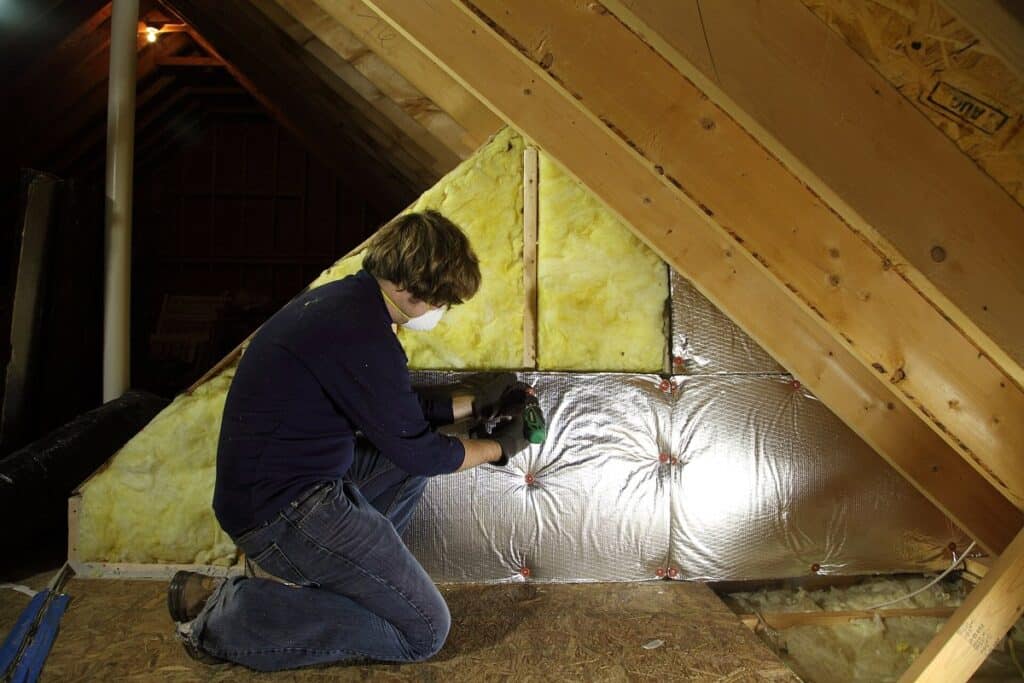
Yes, if you qualify. The U.S. Department of Energy’s Weatherization Assistance Program pays for improvements such as insulation and air sealing that cut energy use for good. Households at or below 200% of the poverty guidelines, or that receive SSI, are eligible under federal guidelines, and states may use LIHEAP’s 60% of state median income standard. Priority goes to older adults, families with a member who has a disability, families with children and households with high energy bills. Renters can apply too.
What help is available for Florida seniors?
Florida’s Emergency Home Energy Assistance for the Elderly Program (EHEAP) helps low-income households with at least one person 60 or older when they face a home energy emergency, through local agencies on aging.
Florida Power & Light said Nov. 11 that it is doubling its Saving Steps program to $30 million. The program pairs energy-saving guidance with a $200 bill credit for eligible customers at or below their county’s United Way ALICE threshold, which includes many seniors who earn too much for traditional aid. FPL said it has already given automatic credits to eligible seniors who received EHEAP help.
“We understand that every dollar matters,” said Dawn Nichols, FPL’s vice president of customer service.
What else can seniors and caregivers do to stay warm for less?
- Call your utility first. Ask about payment plans, budget billing and any hardship or medical programs before a bill goes unpaid.
- Lock in help early. Programs that run on limited funding can close when the money runs out.
- Keep comfort aids handy. Microwavable or electric heat wraps and hot packs offer targeted warmth on cold days; follow the product directions.
- Plan for darker days. Some people use bright light therapy lamps during short winter days; talk with a doctor before starting one.
- Stock a winter kit. Store blankets, flashlights, extra medicine and a basic first-aid kit in case a storm knocks out power.
Caregivers can help by checking on older relatives during cold snaps and helping them file applications. This article is general information, not financial or medical advice.
Frequently Asked Questions
Who qualifies for LIHEAP heating assistance?
Eligibility is set by each state within federal limits: income up to the greater of 150% of the federal poverty guidelines or 60% of state median income. Some states automatically qualify households receiving SSI, SNAP, TANF or certain veterans benefits.
How do I apply for help with my heating bill?
Visit Energyhelp.us or call the National Energy Assistance Referral line at 1-866-674-6327 to find your local LIHEAP office.
Can seniors get free home weatherization?
Yes. The Weatherization Assistance Program serves households at or below 200% of the poverty guidelines or receiving SSI, and gives priority to older adults and people with disabilities.
Why are heating bills going up this winter?
NEADA projects average heating costs will rise more than 7%, driven largely by heating oil, which could cost up to 70% more amid global supply disruptions.
Does LIHEAP charge a fee?
No. HHS says LIHEAP does not charge a fee. Report any message offering a LIHEAP grant for a fee to the HHS fraud hotline at 1-800-447-8477.
Sources: The Guardian on the NEADA report (Nov. 11, 2026); U.S. Energy Information Administration; Administration for Children and Families; LIHEAP Clearinghouse; New England governors’ letter (Nov. 9, 2026); Pennsylvania DHS; Georgia DFCS; U.S. Department of Energy; Florida Department of Elder Affairs; Florida Power & Light (Nov. 11, 2026).
Top photo: Snow covers homes in a residential neighborhood in West Lafayette, Indiana, after a February 2007 blizzard. Photo by Huw Williams, public domain, via Wikimedia Commons.