
Last updated: October 27, 2026. Program rules and income limits change; always confirm details on the official page linked in each section.
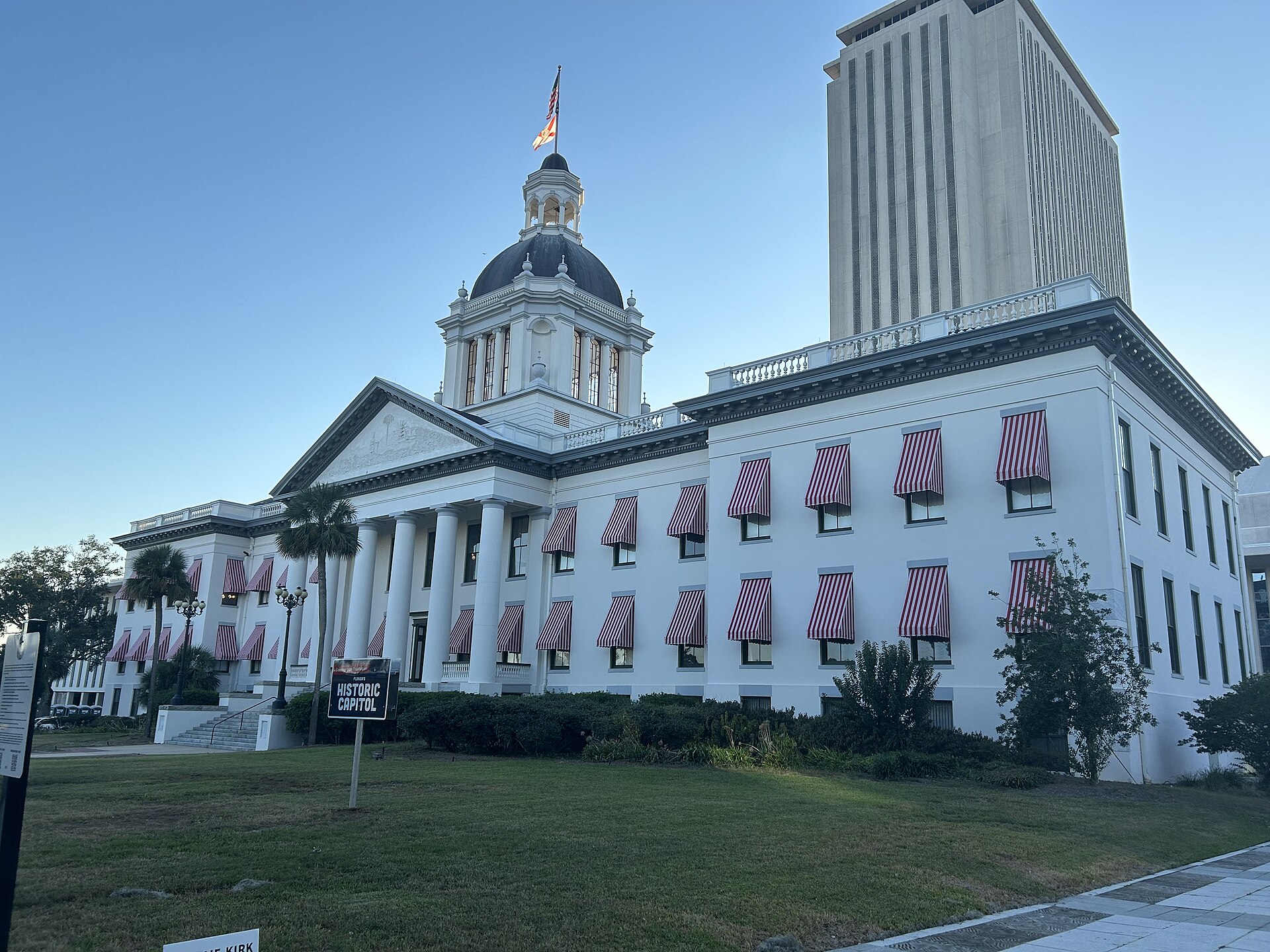
Florida runs dozens of programs for older adults and people with disabilities, but they are spread across at least six state agencies and several federal ones. Many families only find out about the help they qualified for after a crisis. This guide gathers the major statewide programs in one place: what each one does, who it is for, how to apply and the official page to check before you do.
Every program below is run or overseen by a government agency. Healthcare News Center does not take applications and is not affiliated with any of these agencies. Where an official page lists a dollar figure, we include it; where it does not, we leave it out rather than guess.
Key Takeaways
- The fastest single starting point is Florida’s Elder Helpline, 1-800-96-ELDER (1-800-963-5337), which connects callers to their local Aging and Disability Resource Center.
- Community Care for the Elderly and Home Care for the Elderly are state-funded programs that help people 60 and older stay at home; Home Care for the Elderly pays a basic subsidy of $160 a month to eligible households, according to the Florida Department of Elder Affairs.
- Medicaid long-term care in Florida runs through the Statewide Medicaid Managed Care Long-Term Care program, while people with developmental disabilities apply to the Agency for Persons with Disabilities for the iBudget Florida waiver.
- Medicare Savings Programs and Extra Help can cut Medicare premiums and drug costs; SHINE offers free, unbiased Medicare counseling.
- SNAP food assistance and Medicaid applications go through the Florida Department of Children and Families’ ACCESS system; energy bill help (LIHEAP) goes through local community action agencies.
- Property tax relief for seniors and people with disabilities is applied for through your county property appraiser, not the state.
Table of contents
- Where should Florida seniors and people with disabilities start?
- Which Florida programs help seniors get care at home?
- Which Medicaid programs pay for long-term care and disability services?
- How can I get help paying Medicare costs?
- What help is there for food and energy bills?
- Which Florida property tax exemptions help seniors and people with disabilities?
- What help is there for work, vision and communication?
- How do I apply without getting lost?
- Frequently asked questions
Where should Florida seniors and people with disabilities start?
Florida’s Department of Elder Affairs (DOEA) administers its programs through 11 Area Agencies on Aging, which also operate as Aging and Disability Resource Centers (ADRCs). According to DOEA, the ADRCs give information about state and federal benefits and local services, make sure eligibility determinations are done properly, and manage access to key long-term care programs. You can reach your local ADRC through the statewide Elder Helpline at 1-800-96-ELDER (1-800-963-5337).
Aging and Disability Resource Centers (ADRCs) and the Elder Helpline
- What it is: A single, coordinated front door for long-term care services and benefits information for older Floridians, with a statewide database of local resources.
- Who qualifies: Any Floridian seeking long-term care resources or information about elder services; callers do not need to know which program they need.
- How to apply: Call the Elder Helpline at 1-800-96-ELDER (1-800-963-5337) or contact the ADRC for your area listed on the DOEA website.
- Official link: Florida DOEA: Aging and Disability Resource Centers
Which Florida programs help seniors get care at home?
Two state-funded DOEA programs are designed to keep frail older adults living at home instead of moving to a nursing home. Both are reached through your local ADRC, and both can have waiting lists depending on local funding.
Community Care for the Elderly (CCE)
- What it is: A state program providing community-based services such as adult day care, case management, chore and homemaker services, home-delivered meals, personal care, respite for caregivers, emergency alert response, home repair, transportation and medical supplies.
- Who qualifies: People age 60 or older who are functionally impaired, as determined by an initial comprehensive assessment and annual reassessments. By law, people referred by Adult Protective Services as victims of abuse, neglect or exploitation get primary consideration.
- How to apply: Contact your local ADRC or call the Elder Helpline at 1-800-96-ELDER (1-800-963-5337) to request an assessment.
- Official link: Florida DOEA: Community Care for the Elderly
Home Care for the Elderly (HCE)
- What it is: Support for Floridians 60 and older who live in a private home with a family member or other caregiver, as an alternative to nursing home care. DOEA says all participants receive a basic subsidy of $160 a month, and some also get special subsidies for items such as incontinence supplies, medications, wheelchairs, ramps and home modifications, or home health aide and nursing services.
- Who qualifies: People 60 or older who are at risk of nursing home placement, meet the program’s low-income and asset rules (DOEA ties these to Florida’s Medicaid Institutional Care Program standards and to SSI and Medicare Savings Program status), and live with an approved adult caregiver who is willing and able to provide or arrange care.
- How to apply: Contact your local ADRC or call the Elder Helpline at 1-800-96-ELDER (1-800-963-5337).
- Official link: Florida DOEA: Home Care for the Elderly
Families shopping for the kind of equipment HCE special subsidies can cover, such as wheelchairs and other mobility aids, can compare products from retailers like MedCare Mobility. Ask your case manager what the program will pay for before you buy.
Which Medicaid programs pay for long-term care and disability services?
Most Florida Medicaid members get their care through Statewide Medicaid Managed Care (SMMC), which the state describes as three programs: Managed Medical Assistance, Long-Term Care and Dental. People with intellectual and developmental disabilities may instead qualify for the iBudget Florida waiver.
SMMC Long-Term Care (LTC) program
- What it is: The Medicaid program that pays for long-term services such as in-home care, assisted living and nursing facility care through managed care plans, with the goal of helping people stay at home or in the community when possible.
- Who qualifies: Floridians who are financially eligible for Medicaid and who need the level of care provided in a nursing facility. DOEA’s CARES program (Comprehensive Assessment and Review for Long-Term Care Services) performs the medical assessment.
- How to apply: Start with your local ADRC or the Elder Helpline at 1-800-96-ELDER (1-800-963-5337), which screens applicants and manages enrollment into the program. Financial eligibility for Medicaid is decided by the Department of Children and Families.
- Official link: Florida Statewide Medicaid Managed Care
iBudget Florida (APD Medicaid waiver)
- What it is: The Agency for Persons with Disabilities’ home and community-based services waiver. It gives participants flexibility to choose medically necessary services that meet their health and safety needs.
- Who qualifies: Floridians with developmental disabilities who are found eligible for APD services; APD’s website explains eligibility and the application steps.
- How to apply: Apply to the Agency for Persons with Disabilities through its regional offices; APD’s “Applying for Services” page lists the steps and contacts.
- Official link: APD: iBudget Florida
How can I get help paying Medicare costs?
SHINE (Serving Health Insurance Needs of Elders)
- What it is: A free program of DOEA and local Area Agencies on Aging. Trained volunteers give one-on-one, unbiased counseling on Medicare, Medicaid and health insurance questions, including whether you may qualify for the cost-saving programs below.
- Who qualifies: Medicare beneficiaries, their families and caregivers. There is no income test for counseling.
- How to apply: Contact SHINE through its website or call the Elder Helpline at 1-800-96-ELDER (1-800-963-5337).
- Official link: Florida SHINE
Medicare Savings Programs (QMB, SLMB, QI)
- What it is: State-run programs that help pay Medicare Part A and Part B premiums and, for some people, deductibles, coinsurance and copayments. Medicare.gov says that for 2026 the federal limits for the Qualified Medicare Beneficiary (QMB) program are $1,350 a month in income and $9,950 in resources for an individual, and $1,824 and $14,910 for a married couple; the other programs have different limits.
- Who qualifies: People with Medicare and limited income and resources. Medicare.gov advises applying even if you think you might not qualify, because states may not count certain income or resources.
- How to apply: Apply through the Florida Department of Children and Families’ ACCESS system online, or get help from SHINE.
- Official link: Medicare.gov: Medicare Savings Programs
Extra Help with Medicare drug costs
- What it is: A federal program run by the Social Security Administration that helps people with limited income and resources pay Medicare Part D premiums, deductibles and copays.
- Who qualifies: People with Medicare whose income and resources are below federal limits. People who get full Medicaid, SSI or a Medicare Savings Program generally qualify automatically.
- How to apply: Apply online with Social Security, by phone or at a local office, or ask SHINE for help.
- Official link: Social Security: Extra Help
What help is there for food and energy bills?
SNAP food assistance
- What it is: The Supplemental Nutrition Assistance Program provides monthly benefits on an EBT card to buy food. The Florida Department of Children and Families (DCF) describes it as nutritional support for low-income seniors, people with disabilities living on fixed incomes, and other low-income households.
- Who qualifies: Households that meet federal SNAP income and other eligibility rules, which DCF applies.
- How to apply: Apply online through DCF’s MyACCESS portal, or with help at a community partner.
- Official link: Florida DCF: SNAP
LIHEAP (Low-Income Home Energy Assistance Program)
- What it is: A federally funded program that helps income-qualified households with home heating and cooling costs. FloridaCommerce administers it and funds a network of local community action agencies.
- Who qualifies: Income-qualified Florida households; your local agency applies the current income rules.
- How to apply: Contact the LIHEAP provider for your county, listed on FloridaCommerce’s website.
- Official link: FloridaCommerce: LIHEAP
Which Florida property tax exemptions help seniors and people with disabilities?
Florida’s Department of Revenue publishes guides to these exemptions, but the applications go to the property appraiser in the county where the property is. Your property appraiser decides whether you qualify and can tell you which local options your county and city have adopted.
Homestead exemption
- What it is: Reduces the taxable value of your permanent residence by as much as $50,000, according to the Department of Revenue, and qualifies the home for the Save Our Homes assessment limit.
- Who qualifies: Florida homeowners who make the property their permanent residence (or that of a dependent).
- How to apply: File with your county property appraiser.
- Official link: Florida Department of Revenue: Property tax exemptions
Additional exemptions for people 65 or older
- What it is: Counties and cities may adopt an additional homestead exemption of up to $50,000 for low-income seniors, and a separate exemption equal to the home’s assessed value for low-income seniors who have lived in a home with a just value under $250,000 for at least 25 years (guide PT-110).
- Who qualifies: Homeowners 65 or older whose household income is under the annually adjusted limit, in a county or city that has adopted the exemption.
- How to apply: File Form DR-501 and the income statement DR-501SC with your county property appraiser.
- Official link: Florida DOR guide PT-110 (PDF)
Exemptions for people with disabilities, blind residents and widows or widowers
- What it is: The Department of Revenue’s guide PT-111 lists a full exemption for homesteads owned by quadriplegic people; a full exemption for homesteads of paraplegic, hemiplegic or other totally and permanently disabled people who must use a wheelchair or are legally blind, if household income is under the limit; and a $5,000 exemption for widows, widowers, blind people and totally and permanently disabled residents.
- Who qualifies: Florida residents who meet the disability, blindness or widowhood definitions. First-time disability filers need a certificate of total and permanent disability (Form DR-416) from two Florida-licensed doctors or from the U.S. Department of Veterans Affairs.
- How to apply: File with your county property appraiser.
- Official link: Florida DOR guide PT-111 (PDF)
What help is there for work, vision and communication?
Vocational Rehabilitation (VR)
- What it is: A division of the Florida Department of Education that helps people with disabilities find, keep or advance in a job. Students with disabilities can start Pre-Employment Transition Services at age 14.
- Who qualifies: People with a disability who want to work, and students with disabilities from age 14.
- How to apply: Start the application from the VR website’s “Steps to Get Started” pages.
- Official link: Florida Vocational Rehabilitation
Division of Blind Services
- What it is: The Florida Department of Education division that serves people who are blind or visually impaired.
- Who qualifies: Floridians who are blind or visually impaired.
- How to apply: Contact the division through its website or a district office.
- Official link: Florida Division of Blind Services
Florida Telecommunications Relay (FTRI) and Florida Relay 711
- What it is: FTRI provides free communication equipment, such as amplified and captioned phones, to Floridians who are deaf, hard of hearing, DeafBlind or speech-impaired. Florida Relay, reached by dialing 711, connects people who use text or other devices with people on voice phones.
- Who qualifies: Florida residents with a hearing or speech disability; FTRI’s online screener checks eligibility and asks for proof of Florida residency.
- How to apply: Use the “See if you qualify” steps on FTRI’s website, or dial 711 to use the relay service.
- Official link: Florida Telecommunications Relay, Inc.
How do I apply without getting lost?
- Call once, ask broadly. Tell the Elder Helpline (1-800-96-ELDER (1-800-963-5337)) about every need, from meals to home repairs to Medicare bills. The ADRC screens for several programs at once.
- Gather documents first. Most applications ask for ID, proof of Florida residency, income (Social Security and pension statements), bank balances and your Medicare or Medicaid card.
- Use ACCESS for state benefits. SNAP, Medicaid and Medicare Savings Program applications go through DCF’s MyACCESS portal.
- Ask about waiting lists. Several state programs are limited by funding. Getting screened now can secure your place.
- Get free counseling before choosing plans. SHINE counselors are unbiased and do not sell insurance.
- Watch for scams. Government programs do not charge application fees. Apply only through the official sites above.
Frequently asked questions
Who do I call first for help as a senior in Florida?
Call the Elder Helpline at 1-800-96-ELDER (1-800-963-5337). It connects you to your local Aging and Disability Resource Center, which can screen you for state and federal programs and local services.
Does Florida pay family members to care for elderly relatives?
Florida’s Home Care for the Elderly program pays a basic subsidy of $160 a month, according to the Department of Elder Affairs, to support people 60 and older who live at home with an approved caregiver.
How do I apply for Medicaid long-term care in Florida?
Start with your local ADRC through the Elder Helpline. The Department of Elder Affairs assesses whether you need nursing-facility level care, and the Department of Children and Families decides Medicaid financial eligibility.
What is the difference between CCE and HCE?
Community Care for the Elderly provides services such as meals, personal care, respite and home repairs to functionally impaired people 60 and older. Home Care for the Elderly provides a monthly subsidy, plus some special subsidies, to support low-income older adults living with a caregiver.
Can I get help paying my Medicare premiums in Florida?
Yes. Medicare Savings Programs can pay Part B premiums and, for some people, other Medicare costs. Apply through DCF’s ACCESS system. SHINE counselors can help you check eligibility for free.
Do seniors in Florida get a property tax break?
All Florida homeowners can apply for the homestead exemption. Seniors 65 and older with limited income may get an additional exemption if their county or city has adopted it. Apply through your county property appraiser.
Where can people with disabilities in Florida get job help?
Florida Vocational Rehabilitation helps people with disabilities find, keep or advance in jobs, and people who are blind or visually impaired can also contact the Division of Blind Services.
This guide is for general information and is not legal, financial or medical advice. Eligibility rules, income limits and funding change; confirm with the agency before you apply. Spotted an error? See our editorial standards and corrections policy.