The federal Eldercare Locator’s annual Home for the Holidays campaign, which starts Nov. 17, will focus this year on assistive technology, the Administration for Community Living (ACL) announced this week. The campaign is meant to encourage family conversations about older adults’ well-being when relatives gather, and USAging, which runs the Eldercare Locator, held a training on Nov. 5 to prepare local aging agencies for more questions about devices.
If you are noticing that a parent is struggling with stairs, the bathtub, a jar lid or the phone, this guide explains what assistive technology is, where to try equipment before buying it, how to borrow or get used devices at lower cost, and what Medicare covers.
What counts as assistive technology?
ACL defines assistive technology as “any item, device, or piece of equipment used to maintain or improve the independence and function of people with disabilities and seniors” in daily life, work and recreation, according to its assistive technology program page. It can be low-tech, like a built-up spoon handle that is easier to grip, or high-tech, like a computer controlled by eye movement. Consumer electronics and home automation can count too.
The term also covers the services needed to get and use a device, including assessment, customization, repair and training.
Where can families try a device before buying it?
Every state, the District of Columbia, Puerto Rico and four U.S. territories receive a federal grant to run a State Assistive Technology Program under the Assistive Technology Act. You can find yours in the State AT Program directory on the AT3 Center website, which ACL funds to support these programs.
ACL says the programs carry out four core activities:
- Device demonstrations. A knowledgeable professional helps you compare different devices hands-on before you choose.
- Device loans. You can borrow equipment for a limited time to see whether it meets your needs before you buy.
- Reuse programs. Equipment that its first owner no longer needs is passed on to a new owner at substantial savings.
- State financing. Loans or other programs help people buy devices, and some provide equipment at no cost.
State programs also offer training, information and referrals, so they are a good first call even if you are not sure what kind of device would help.
Does Medicare pay for walkers, wheelchairs and other equipment?
Medicare Part B covers durable medical equipment when a doctor or other qualified provider, such as a nurse practitioner, prescribes it for use in your home, according to Medicare’s booklet on equipment coverage. A long-term care facility can count as your home, but a hospital or a nursing home providing Medicare-covered care cannot.
Covered items include, but are not limited to, canes, crutches, walkers, commode chairs, hospital beds, patient lifts, manual wheelchairs and power wheelchairs or scooters needed inside the home, glucose monitors, oxygen equipment, CPAP devices and pressure-reducing mattresses. Medicare does not cover white canes for people who are blind.
Generally, you pay 20% of the Medicare-approved amount after meeting the Part B deductible, and you may be able to rent or buy the equipment. If you have a Medigap policy, it may help cover some of those costs.
How do you avoid surprise bills on medical equipment?
Medicare only pays for equipment from a supplier enrolled in Medicare, even if the seller is a large chain or department store. Medicare’s supplier directory lists enrolled suppliers by ZIP code. Medicare suggests asking each supplier:
- Are you a Medicare-enrolled supplier?
- Do you accept assignment, meaning the Medicare-approved amount as full payment?
- If not, will you consider assignment in my case, and what is your charge if you don’t?
- Will you bill Medicare for me?
People in Medicare Advantage plans should call their plan first. Plans must cover the same medically necessary categories of equipment as Original Medicare, but suppliers and costs depend on the plan. If a plan denies an item you believe you need, you can appeal and get an independent review.
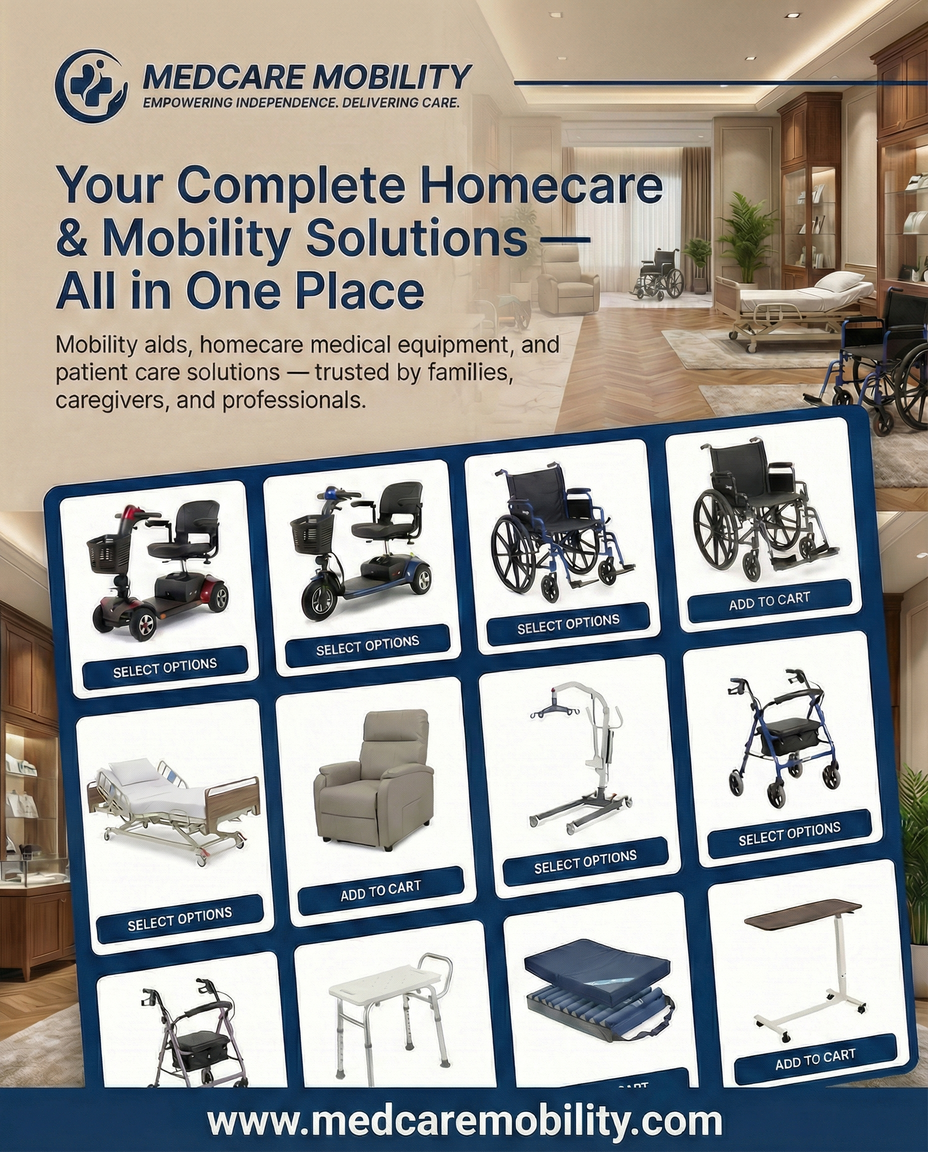
For items Medicare does not cover, the state program’s loan and reuse services can help. Retailers such as MedCare Mobility also sell home medical equipment and mobility aids directly.
Who can help families get started?
- Eldercare Locator: 1-800-677-1116 (call or text), or eldercare.acl.gov, to find your local Area Agency on Aging and community services.
- State AT Program: directory on the AT3 Center site for demonstrations, loans, reuse and financing.
- Medicare: 1-800-MEDICARE (1-800-633-4227; TTY 1-877-486-2048) to ask whether a specific item is covered.
If caregiving is getting harder over the holidays, HNC’s report on federal respite care grants explains another kind of help for families.
Key Takeaways
- The Eldercare Locator’s Home for the Holidays campaign, starting Nov. 17, focuses on assistive technology this year.
- Every state has a federally funded State AT Program that offers device demonstrations, short-term loans, reused equipment and financing help.
- Medicare Part B covers prescribed durable medical equipment for home use; you generally pay 20% after the Part B deductible.
- Buy only from Medicare-enrolled suppliers and ask whether they accept assignment to keep costs down.
- Medicare Advantage members should check with their plan first and can appeal a denial.
Frequently Asked Questions
What is assistive technology for seniors?
Any item, device or piece of equipment that helps older adults and people with disabilities stay independent, from easy-grip utensils and walkers to computers controlled by eye movement, plus services like assessment, repair and training.
Can I borrow a device before buying it?
Yes. State Assistive Technology Programs run short-term device loan programs, and many offer hands-on demonstrations. Find yours through the AT3 Center’s State AT Program directory.
Does Medicare cover walkers and wheelchairs?
Yes. Medicare Part B covers walkers, canes, manual wheelchairs and power wheelchairs or scooters needed inside the home when prescribed for home use. You generally pay 20% after the Part B deductible.
How do I find a Medicare-approved equipment supplier?
Use Medicare’s supplier directory at medicare.gov/medical-equipment-suppliers and ask whether the supplier accepts assignment.
Who can help me find local services for an aging parent?
Call or text the Eldercare Locator at 1-800-677-1116 or visit eldercare.acl.gov.
Featured image: A woman supporting herself with a walking frame. (rawpixel.com, CC0, via Wikimedia Commons)