Introduction: The Emerging Healthcare Gold Rush
The U.S. healthcare industry is evolving rapidly, opening doors for forward-thinking investors, entrepreneurs, and operators. With over 70 million baby boomers aging into higher-care brackets, an explosion of healthcare business opportunities is taking shape. From digital innovation to real estate expansion, every facet of the system is undergoing transformation. But the key question remains: where should you invest in healthcare right now?
This comprehensive market analysis surfaces the most critical trends, forecasts, and regional targets across hospitals, senior living, insurance, logistics, recruiting, and medical devices. Based on real-time healthcare industry projections and trusted data, we uncover the sectors that are expanding fastest—and how to capitalize on them.
“Healthcare is not just a sector; it’s the engine of demographic destiny. Those who invest where demand is aging will lead the future.”
— Deloitte 2024 U.S. Healthcare Outlook –
1. Hospitals: The Frontline of Expansion and Innovation
Market Overview & Hospital Expansion Opportunities
- U.S. hospitals face increasing demand, with 40.2 million projected hospitalizations by 2035 (Statista).
- Over 100 hospital M&A deals expected in 2025.
- Rural hospital closures surged 19% in the past five years—creating urgent expansion needs.
Strategic Market Analysis Hospitals remain the epicenter of healthcare delivery—and the pressure to innovate is intensifying. Profit margins are shrinking, driven by labor shortages and declining reimbursements. Yet this creates extraordinary hospital expansion opportunities. Aging populations in Florida, Texas, and North Carolina are fueling construction of new outpatient and acute care facilities.
Organizations that invest in outpatient clinics, digital monitoring, and rural access infrastructure are best positioned for scale. Health systems focusing on integrated urgent care and remote patient monitoring (RPM) are not only reducing costs but creating sustainable, tech-enabled growth models. The pivot from inpatient-heavy models to flexible, decentralized care delivery is a defining business opportunity.
2. Senior Living: The Residential Revolution in Healthcare
Healthcare Business Opportunities in Senior Housing
- 10,000 Americans turn 65 each day.
- The senior living market is expected to grow at 5.8% CAGR through 2029 (NIC MAP Vision).
- Occupancy rates have rebounded to pre-pandemic highs, especially in Sun Belt states.
Where to Invest in Healthcare Real Estate Florida, Arizona, and Tennessee are seeing significant migration of retirees, increasing demand for independent and assisted living communities. Investors targeting hybrid communities that blend wellness services, telehealth pods, and social amenities will tap into a fast-scaling market.
Tech-savvy seniors are demanding more than just housing—they want proactive care, smart wearables, and wellness-focused environments. Builders that integrate remote monitoring systems and preventative care services will dominate market share. The healthcare business opportunity here lies in blending real estate, clinical care, and hospitality.
3. Nursing Homes: A Crisis Creating Opportunity
Industry Projections & Staffing Realities
- Over 600,000 additional long-term care workers are needed by 2027 (PHI National).
- The U.S. nursing home market is projected to surpass $275 billion by 2030.
Market Analysis & Actionable Opportunities Skilled nursing facilities are in crisis mode. More than 1,000 nursing homes have closed since 2020 due to underfunding and staffing shortages. But this has left enormous gaps in care, especially in Midwest and Northeast regions.
Healthcare business opportunities in this space are ripe for disruption. Operators investing in hybrid SNF models that incorporate memory care, short-term rehab, and Medicare Advantage coordination can achieve strong ROI. There’s also room for innovation in AI care planning, international staffing pipelines, and digital compliance platforms.
4. Healthcare Insurance: The Battle for the Digital Member
Healthcare Industry Projections: A Shift Toward Value-Based Plans
- Medicare Advantage enrollment is projected to exceed 34 million by 2026 (KFF).
- IRA caps seniors’ out-of-pocket drug costs to $2,000 by 2025—reshaping plan structures.
Where to Invest in Healthcare Insurance Models Insurtech startups and legacy payers alike are focusing on personalized digital experiences. California and Pennsylvania are innovating with whole-person care models that integrate behavioral, dental, and chronic disease support. Investors are advised to target value-based primary care groups, especially those integrating with insurance tech platforms.
Companies that simplify member onboarding, offer at-home diagnostics, and connect telehealth services directly into insurance plans are the future of healthcare coverage. This sector presents powerful healthcare business opportunities through innovation, integration, and data-driven plan design.
5. Medical Devices & Equipment: Where AI Meets At-Home Care
Market Outlook & Healthcare Market Analysis
- The global medical device market is projected to exceed $658 billion by 2028 (Fortune Business Insights).
- Home medical equipment demand is growing at 7.2% CAGR.
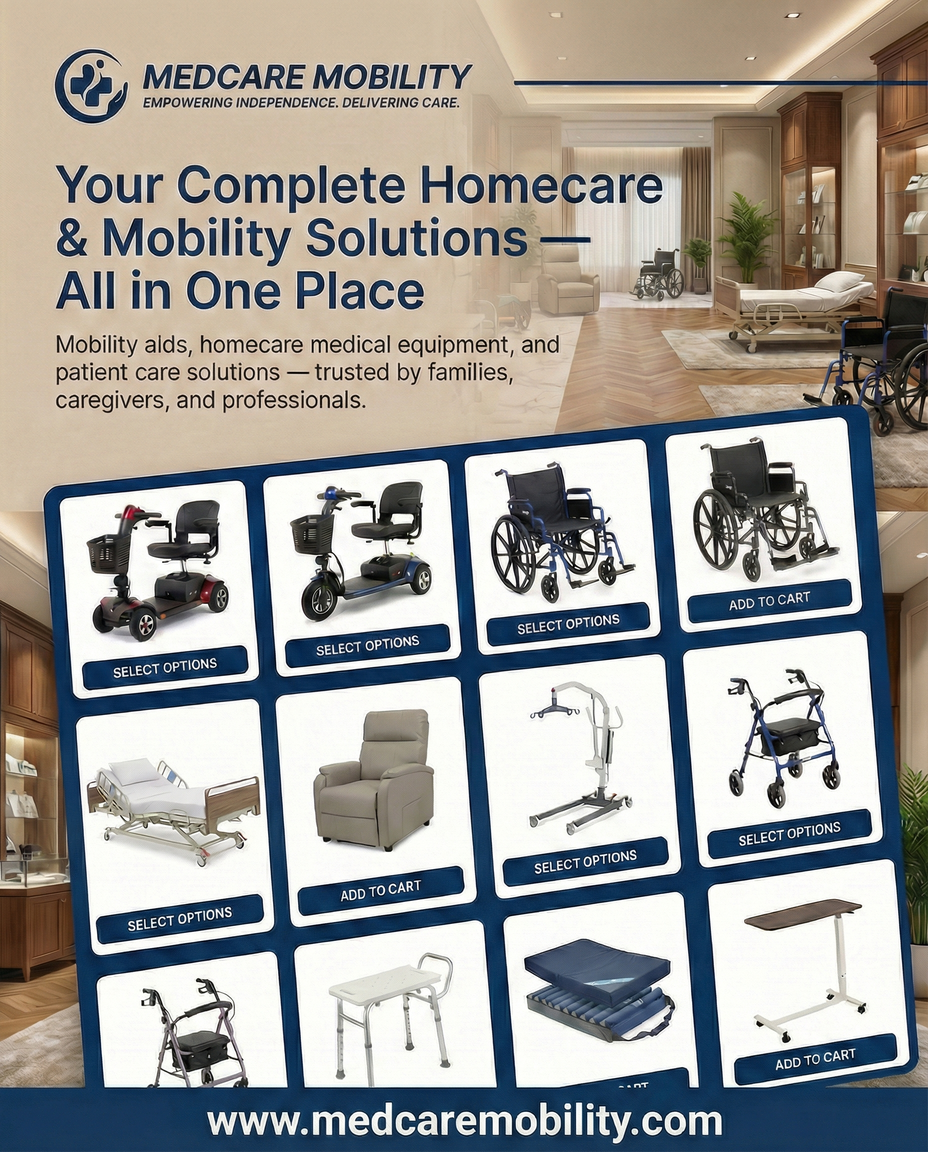
Key Business Opportunities As healthcare shifts toward home-based and preventative models, the demand for devices like RPM monitors, AI diagnostics, and smart beds is skyrocketing. Remote patient monitoring reduces readmissions and appeals to hospital systems under pressure to cut costs.
Companies that integrate their devices into provider workflows and ensure FDA-compliant, secure data transfer will dominate. The strongest investment zones include California, Massachusetts, and tech-forward urban clusters. Business models that bundle service + hardware (like monthly RPM kits) are also gaining traction.
6. Healthcare Logistics: Building the Supply Chain of the Future
Healthcare Industry Projections in Logistics
- Medical logistics is expected to reach $158 billion by 2034.
- 52% of hospitals cite supply delays as a critical risk to care quality (McKinsey).
Investment Opportunities in Healthcare Logistics The decentralization of care has exposed the need for cold-chain, last-mile delivery, and EHR-integrated supply chain systems. Investors should look at companies enabling faster home delivery of biologics, DME, and chronic disease supplies.
Rural and underserved communities are especially vulnerable to delayed deliveries, making this a strategic zone for innovation. Think drone resupply, blockchain inventory systems, and logistics APIs integrated with hospital ERPs.
7. Recruiting & Workforce Platforms: The Human Capital Opportunity
Market Gaps & Growth Projections
- 1.9 million healthcare jobs need to be filled annually through 2033.
- Nursing shortages could top 800,000 by 2025.
Where to Invest in Healthcare Talent Solutions The greatest constraint on the healthcare business opportunity is staffing. That creates a booming opportunity in workforce platforms, credentialing solutions, and recruiting tech. Platforms offering flexible shift bidding, AI-matching, and integrated compliance checks are scaling fast.
States like Florida, Ohio, and Texas are building nurse education pipelines that partner with staffing firms and health systems. Investors can back platforms that make staffing cheaper, faster, and more compliant—especially for SNFs and homecare agencies.
Conclusion: The Moment to Act Is Now
The healthcare industry is no longer slow-moving. It’s dynamic, fragmented, and primed for disruption. Whether you’re seeking healthcare business opportunities in hospital expansion, med-tech, staffing, or logistics—action taken in the next 12–18 months will determine your long-term positioning.
By using data, watching demographic waves, and investing where delivery models are shifting, entrepreneurs and strategists can capitalize on a trillion-dollar transformation.
Recommended Reading & Sources: