
Ozempic (semaglutide) has taken the world by storm as a revolutionary treatment for type 2 diabetes and an off-label weight loss sensation. However, alarming new warnings from the FDA and growing lawsuits suggest that the Ozempic cancer risk may be far greater than initially believed. With fresh concerns linking Ozempic to thyroid cancer, severe gastrointestinal complications, and even life-threatening surgical risks, patients and doctors are now questioning whether the benefits outweigh the dangers.
🔗 Related Resource:
The Ozempic Boom: A Miracle Drug or a Medical Gamble?
Originally approved by the FDA in 2017, Ozempic belongs to a class of drugs known as GLP-1 receptor agonists, which help regulate blood sugar, slow digestion, and suppress appetite. While it has proven effective for diabetes management, its off-label use for weight loss skyrocketed demand, making it a celebrity-endorsed, social media-driven sensation.
However, as its popularity soared, so did reports of dangerous side effects, triggering updated FDA warnings, regulatory investigations, and a wave of lawsuits.
🔗 Related Resource:
Shocking New FDA Warnings: Cancer Risk, Intestinal Blockages & Life-Threatening Side Effects
FDA Black Box Warning: Ozempic’s Link to Thyroid Cancer
One of the most alarming concerns is Ozempic’s potential link to thyroid Ozempic cancer risk. The FDA-mandated black box warning explicitly states that semaglutide has been linked to thyroid C-cell tumors in laboratory animals. While no definitive human studies have confirmed this risk, the FDA prohibits Ozempic for individuals with a family history of medullary thyroid carcinoma (MTC) or Multiple Endocrine Neoplasia syndrome type 2 (MEN2).
In 2024, European health regulators raised red flags about the possible increased risk of pancreatic cancer from long-term Ozempic use. Although further studies are needed, concerns over malignant thyroid and pancreatic tumors have put semaglutide under intense scrutiny.
🔗 Related Resources:
New FDA Warning: Ozempic Linked to Severe Digestive Disorders
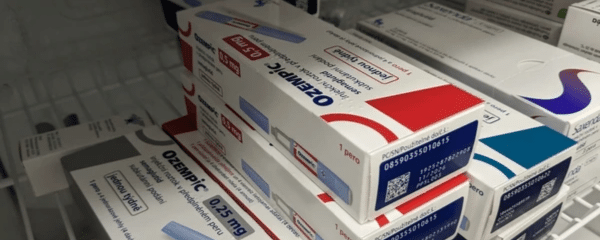
In September 2024, the FDA updated Ozempic’s safety label to include a warning about ileus, a dangerous intestinal blockage that prevents food and waste from passing through the digestive tract. Symptoms include:
- Severe abdominal pain
- Extreme bloating and nausea
- Vomiting and loss of appetite
- Life-threatening complications requiring emergency medical intervention
Additionally, Ozempic has been heavily linked to gastroparesis (stomach paralysis), with patients reporting:
- Chronic nausea and vomiting
- Severe acid reflux
- Inability to digest food properly
- Hospitalization due to extreme malnutrition
Many patients experiencing long-term digestive damage have filed lawsuits, claiming they were never properly warned about these devastating side effects.
🔗 Related Resources:
- Harvard Medical School: Gastroparesis and GLP-1 Agonists
- New England Journal of Medicine: Semaglutide and Gastrointestinal Risks
Surgical Danger: The Hidden Risk of Pulmonary Aspiration
A little-known but serious complication of Ozempic use is pulmonary aspiration during surgery. Because Ozempic delays gastric emptying, it increases the risk that stomach contents will regurgitate and enter the lungs during anesthesia, leading to:
- Severe respiratory complications
- Pneumonia or lung infections
- Potentially fatal outcomes during surgery
As a result, hospitals now advise stopping Ozempic 1-2 weeks before any major medical procedure.
🔗 Related Resource:
How Did These Alarming Discoveries Happen?
Ozempic’s unprecedented popularity for weight loss dramatically increased the number of non-diabetic users, leading to a flood of medical complaints, emergency room visits, and lawsuits.
Key factors contributing to the safety crisis include:
✅ Lack of long-term safety studies for weight loss patients
✅ Off-label prescriptions skyrocketing without proper medical supervision
✅ Patients developing severe side effects due to prolonged use
✅ Widespread availability of compounded and counterfeit Ozempic leading to dosing inconsistencies
The surge in patient complaints and high-profile lawsuits forced regulatory agencies to reinvestigate semaglutide’s safety profile.
🔗 Related Resource:
Are There Safer Alternatives to Ozempic?
For those concerned about the growing list of Ozempic side effects, several alternative medications may offer a safer solution:
✔ Mounjaro (Tirzepatide): A newer GLP-1 receptor agonist that also targets GIP receptors, potentially reducing digestive side effects.
✔ Rybelsus (Oral Semaglutide): A pill version of semaglutide that may avoid some risks associated with injections.
✔ Traditional weight loss treatments: For non-diabetic patients, lifestyle changes, FDA-approved weight loss medications, and physician-supervised programs could be safer alternatives.
🔗 Related Resources:
- CDC: Safe Weight Loss and Diabetes Management Alternatives
- American Diabetes Association: New Diabetes Medications
Final Verdict: Is Ozempic Worth the Risk?
While Ozempic remains a powerful treatment for diabetes management and weight loss, the latest cancer warnings, severe digestive complications, and surgical risks cannot be ignored.
If you are currently taking Ozempic or considering it, speak with your doctor about the latest FDA warnings and alternative treatments. Stay informed, prioritize your health, and make the best decision for your long-term well-being.
🚨 New updates and studies continue to emerge—stay tuned for the latest breaking news on Ozempic’s safety risks. 🚨