Empowering Lives: How Mobility Aids Enhance Freedom, Independence, and Quality of Life
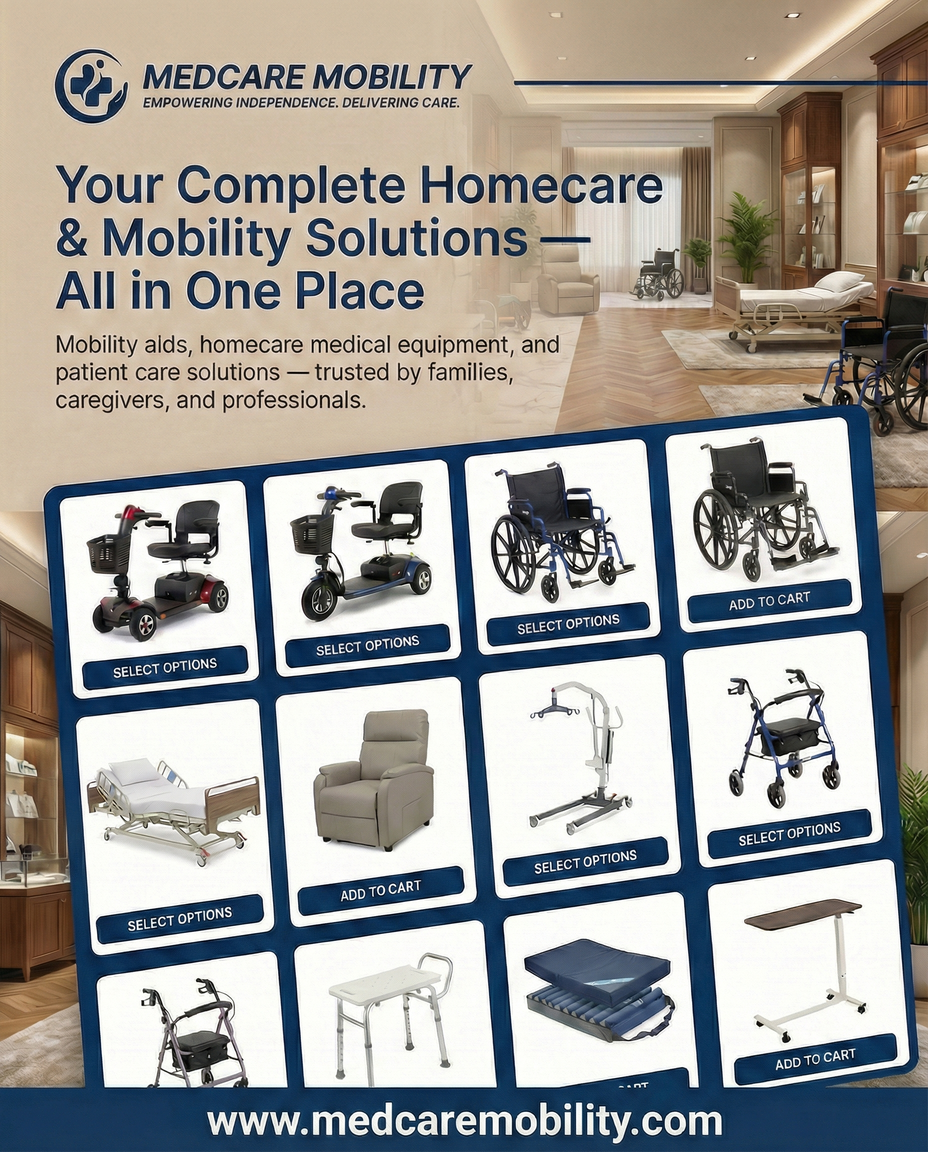
Mobility aids have become essential tools in the quest for greater independence and improved quality of life for individuals with mobility challenges. These devices, ranging from canes and walkers to wheelchairs and scooters, not only support physical movement but also significantly impact emotional and psychological well-being.
Understanding the Impact of Mobility Aids
Mobility aids are designed to assist individuals with limited movement, offering support, safety, and enhanced capability to perform daily tasks. The benefits of these aids extend beyond mere physical support; they play a crucial role in transforming lives.
Enhanced Freedom and Independence
One of the most significant benefits of mobility aids is the restoration of freedom and independence. For individuals with mobility impairments, the feeling of confinement can be overwhelming. Mobility aids like walkers and canes provide essential stability, allowing users to walk with confidence and engage in activities previously deemed challenging. For more extensive mobility needs, wheelchairs and scooters enable users to navigate longer distances, participate in social activities, and maintain an active lifestyle.
Statistics underscore the profound impact of mobility aids. Research indicates that over 2.7 million Americans use wheelchairs, and approximately 1.2 million rely on scooters. These aids are instrumental in promoting independence, with studies showing that 80% of wheelchair users report an improvement in their ability to perform daily tasks and participate in community activities.
Improving Safety and Reducing Fall Risk
Safety concerns are paramount for individuals with mobility issues. Mobility aids significantly reduce fall risks, which are a major cause of injury, especially among the elderly. According to the National Council on Aging, one in four older adults falls each year, and falls are the leading cause of fatal and non-fatal injuries among this population. Mobility aids such as canes and walkers provide additional support and balance, reducing the likelihood of falls. Wheelchairs and scooters offer a stable means of transportation, further minimizing the risk of accidents.
Boosting Psychological Well-being
The psychological benefits of mobility aids are substantial. The ability to move freely and engage in daily activities contributes to improved self-esteem and mental health. The National Institutes of Health highlights that mobility aids can significantly reduce feelings of frustration and helplessness, enhancing overall quality of life. By promoting independence, mobility aids help users feel more in control and empowered, which is crucial for emotional well-being.
Promoting Social Engagement
Social engagement is another critical benefit of mobility aids. These devices enable users to participate more fully in social and community activities. Wheelchairs and scooters break down barriers to social interaction, allowing individuals to connect with friends, family, and community members without limitations. This increased social participation fosters a sense of belonging and helps combat the isolation that often accompanies mobility impairments.
Choosing the Right Mobility Aid
Selecting the appropriate mobility aid is vital for maximizing its benefits. Factors such as specific mobility needs, lifestyle, and the type of terrain must be considered. Consulting with healthcare professionals and mobility specialists can provide valuable guidance to ensure that the chosen aid meets the user’s requirements effectively.
Conclusion
Mobility aids are transformative devices that significantly enhance freedom, independence, and quality of life for individuals with mobility challenges. By providing essential support, improving safety, boosting psychological well-being, and promoting social engagement, these aids play a critical role in enabling users to lead more fulfilling and active lives. With ongoing advancements in technology and design, the future promises even greater improvements in the impact of mobility aids on overall quality of life.