Why Americans Pay Too Much for Prescription Medications — And How Legal Global Options Are Making Medications Affordable Again

Millions of Americans struggle to afford essential medications due to rising U.S. drug prices. This in-depth guide explains why prescription costs are so high and how patients are legally accessing affordable prescription medications for diabetes, heart failure, mental health, depression, and HIV — safely, responsibly, and with medical oversight.
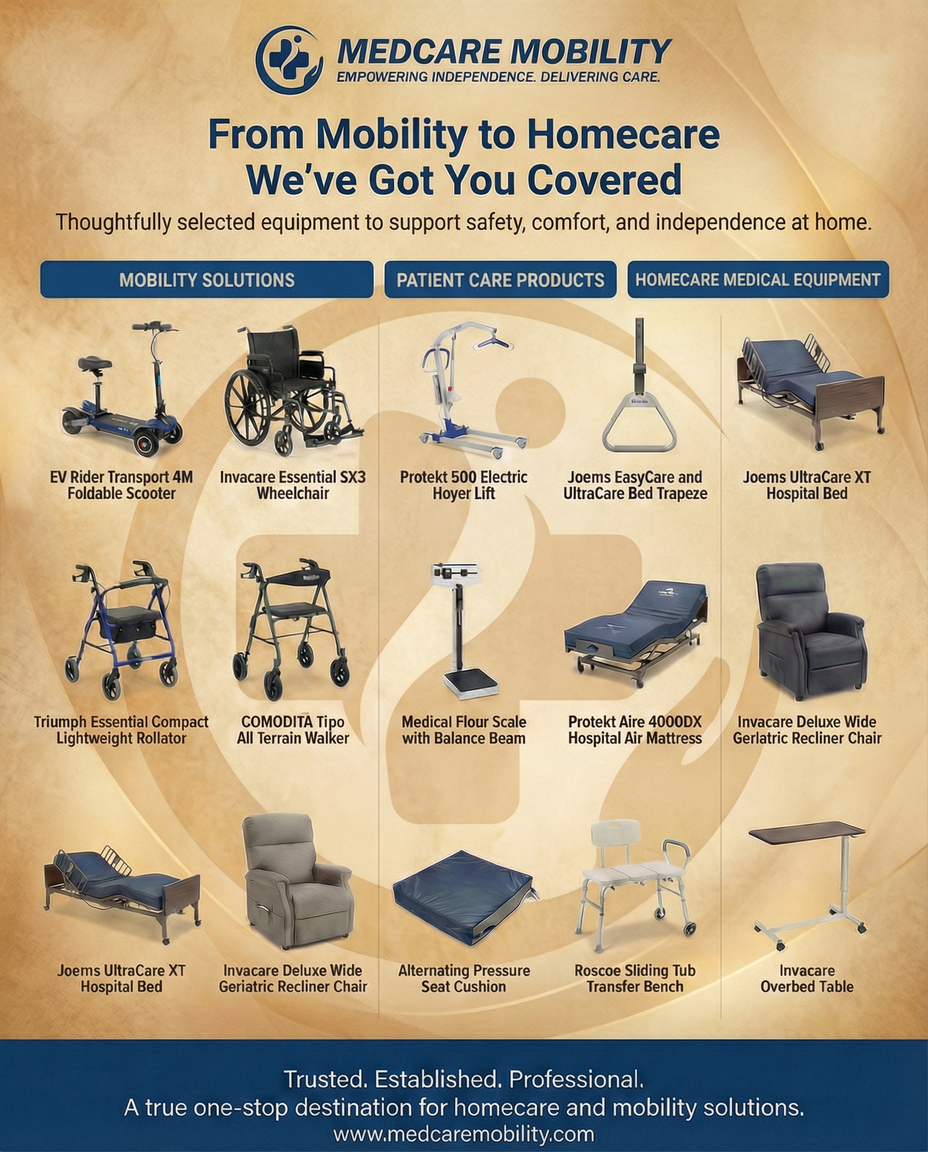
Why America Is Shifting to Home Medical Equipment — How Hospital Beds, Lifts, and Mobility Devices Are Replacing Facilities
America’s healthcare system is undergoing a quiet but profound shift. As hospitals face staffing shortages and pressure to discharge patients earlier, home medical equipment is increasingly replacing functions once handled by facilities. From hospital beds and patient lifts to mobility devices, recovery is moving home — reshaping patient safety, caregiver responsibility, and the future of care across the United States.
GLP-1 for Weight Loss Just Got a Global Green Light: What WHO’s New Obesity Guidance Means for You and the Weight-Loss Industry
For millions struggling with obesity, a new era has arrived. WHO’s latest guidance recognizes GLP-1 for weight loss as a powerful, science-backed treatment — not just another diet trend. Learn how drugs like semaglutide and tirzepatide work, who they help, what results to expect, and how to get started safely with medical support.
The Hidden Tariff Bomb Under Senior Health Care: How the Latest U.S.–China “Tariff Deal” Could Rock Costs for Older Americans
A new “tariff deal” between the United States and China may have cooled trade tensions — but it’s igniting fresh challenges inside America’s healthcare system. As tariffs on medical devices and pharmaceuticals remain in place, hospitals face rising costs, and seniors could soon pay more for prescriptions and essential care. This in-depth analysis explores how shifting America tariffs and the current tariff status threaten to reshape the economics of elder care, drug access, and the future of U.S. health innovation.
The High-Stakes: 2025 New York Mayoral Election Could Reshape the City’s Health Care Future — and Put Seniors at Risk
A deep, expert analysis of how the 2025 New York mayoral race between Zohran Mamdani and Andrew Cuomo could transform New York health care, hospitals, and senior services — with billions in funding and thousands of elderly lives at stake.