As of January 23, 2025, the United States has officially commenced the process of withdrawing from the World Health Organization (WHO) under an executive order signed by President Donald Trump on January 20, 2025. This decision, accompanied by heightened scrutiny and funding cuts to the United Nations Relief and Works Agency for Palestine Refugees in the Near East (UNRWA), reflects a pivotal shift in U.S. foreign policy. The ramifications of these actions extend across global health, humanitarian aid, and international diplomacy. Below, we dive into the reasons, implications, and controversies surrounding these moves, offering a full breakdown of the facts.
What Led to the U.S. Withdrawal from the World Health Organization?
The World Health Organization has long been at the center of global health governance, tackling issues such as pandemics, disease eradication, and public health crises. For decades, the U.S. has been the WHO’s largest financial backer, contributing approximately 16% of its budget in the 2022-2023 period. However, President Trump’s renewed decision to withdraw highlights ongoing frustrations with the organization’s operations, transparency, and perceived inefficiencies.
Key Reasons Behind the Withdrawal
1. Alleged Mishandling of COVID-19
The Trump administration has criticized the WHO’s handling of the COVID-19 pandemic. Accusations include claims that the WHO delayed action and was excessively deferential to China in the early days of the virus outbreak. Trump cited this as evidence of organizational mismanagement that undermines global health efforts.
2. Unequal Funding Contributions
The United States has consistently shouldered a disproportionately large share of the WHO’s funding. Trump argued that American taxpayers were unfairly subsidizing an organization from which other nations, particularly China, benefited equally while contributing far less.
3. Demands for Structural Reform
Trump called for significant changes to the WHO’s governance, financial accountability, and operational efficiency, arguing that these reforms were necessary to align the organization’s objectives with U.S. interests.
Immediate and Long-Term Implications
1. Global Health Funding Gap
The U.S. withdrawal leaves a major financial vacuum, threatening the WHO’s ability to respond to public health emergencies, including pandemics and vaccination campaigns. Experts warn that the move could have devastating consequences for global health initiatives, especially in low-income countries that rely on WHO support.
2. Loss of Leadership in Global Health
By stepping back from the WHO, the United States risks ceding leadership in global health governance to other nations, such as China and European Union members, which could step in to fill the void.
3. Potential Diplomatic Fallout
The decision signals a retreat from multilateralism and may strain relations with international allies who view the WHO as a critical institution for addressing transnational health challenges.
Learn more about the WHO’s funding model and global health efforts.
UNRWA Under Fire: Funding Cuts and Allegations
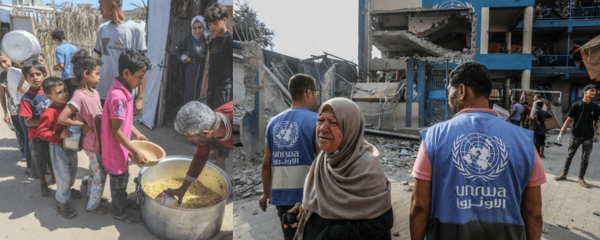
The U.S. withdrawal from the WHO is accompanied by increased scrutiny of UNRWA. Established in 1949 to provide humanitarian aid to Palestinian refugees, UNRWA operates across Gaza, the West Bank, Jordan, Lebanon, and Syria. The agency has come under fire for alleged financial mismanagement, its handling of refugee status, and accusations of ties to Hamas, the militant group that governs Gaza.
Recent Allegations and Funding Suspensions
1. October 2023 Attacks and UNRWA Staff Involvement
In October 2023, allegations surfaced implicating certain UNRWA staff members in the October 7 attacks on Israel. Following an internal investigation, the agency terminated nine employees who “may have been involved” in the attacks. UNRWA Commissioner-General Philippe Lazzarini emphasized that such actions violate the agency’s humanitarian mission and stated that offenders would face accountability.
UNRWA’s response to the October 2023 allegations.
2. Weapons Storage in UNRWA Facilities
There have been documented cases of weapons being discovered in vacant UNRWA schools and facilities, notably during the 2014 conflict in Gaza. UNRWA condemned these incidents as violations of its neutrality and implemented measures to prevent future occurrences.
While these incidents are isolated and represent breaches of UNRWA’s policies, they have fueled criticism, particularly from the Trump administration.
Why the U.S. Cut Funding to UNRWA
The Trump administration suspended U.S. funding to UNRWA in 2018 and has now doubled down on its criticisms. The reasons include:
- Alleged Financial Mismanagement: U.S. officials have claimed that UNRWA lacks transparency and accountability in its operations.
- Refugee Status Controversy: UNRWA’s policy of extending refugee status to descendants of Palestinian refugees has expanded the refugee population to over 5 million, a figure critics argue perpetuates dependency rather than fostering solutions.
- Anti-Israel Allegations: Trump administration officials accused UNRWA of fostering anti-Israel sentiment through its educational programs, a claim UNRWA has repeatedly denied.
Explore UNRWA’s programs and funding challenges.
Key Differences Between the WHO and UNRWA
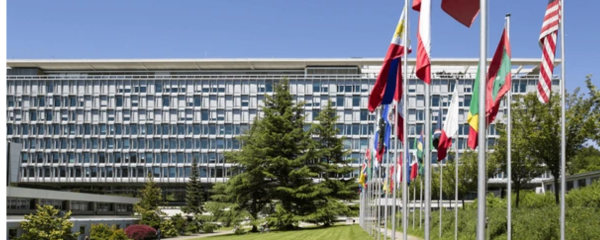
While both organizations are part of the United Nations system, their mandates and missions differ significantly:
- WHO: Focuses on global health, disease control, and emergency medical responses.
- UNRWA: Primarily serves Palestinian refugees, providing education, healthcare, and emergency relief.
Although separate entities, the WHO and UNRWA occasionally collaborate in Palestinian territories to address public health issues, such as vaccination campaigns and disease outbreaks.
Broader Implications of Trump’s Decisions
Diplomatic and Humanitarian Concerns
- Erosion of Multilateral Cooperation
Critics argue that the U.S.’s withdrawal from the WHO and funding cuts to UNRWA signal a shift away from multilateralism, undermining international cooperation in addressing global challenges. - Impact on Vulnerable Populations
Cuts to UNRWA’s budget have already led to reductions in essential services, such as education and healthcare, for millions of Palestinian refugees. Similarly, the WHO faces challenges in sustaining global health programs without U.S. financial support. - Alignment with Israel’s Interests
The Trump administration’s actions align with its broader Middle East policy, including support for Israel and pressure on Palestinian leadership to negotiate under new terms.
Read about the Abraham Accords and U.S.-Israel relations.
How Have the United Nations and WHO Reacted?
The United Nations and its agencies, including the WHO and UNRWA, have expressed concern over the U.S.’s recent actions.
The WHO’s Response
The World Health Organization has warned that the U.S. withdrawal jeopardizes global health initiatives, especially in low-income regions. WHO officials have urged other member states to step up their financial contributions to mitigate the funding gap left by the U.S. departure.
The United Nations’ Reaction to UNRWA Cuts
The United Nations General Assembly has called on member states to provide emergency funding to UNRWA, emphasizing the importance of maintaining humanitarian aid for Palestinian refugees. UN Secretary-General António Guterres described the U.S.’s funding suspension as “deeply concerning,” urging all parties to respect the neutrality and humanitarian mandate of UN agencies.
What’s Next?
Potential Scenarios
- Increased Global Leadership by China and the EU
China and the European Union are likely to expand their roles in global health and humanitarian efforts, potentially reducing U.S. influence in these domains. - Scaling Back of WHO and UNRWA Programs
Without U.S. funding, both the WHO and UNRWA may be forced to scale back operations, affecting millions of people worldwide, particularly in developing regions and conflict zones. - U.S. Domestic Debate
Domestically, the decision to withdraw from the WHO and cut funding to UNRWA is likely to fuel debates over America’s role in multilateral organizations and its broader foreign policy priorities.
Final Thoughts
The U.S.’s withdrawal from the World Health Organization and its increased scrutiny of UNRWA mark a turning point in the nation’s engagement with international organizations. While proponents argue that these moves promote accountability and prioritize national interests, critics warn of severe consequences for global health, humanitarian aid, and diplomatic relations.
As the world navigates this uncertain period, the stakes could not be higher. Millions of lives depend on the health and humanitarian services provided by organizations like the WHO and UNRWA. Whether other nations step in to fill the void left by the U.S. remains to be seen, but the ripple effects of these decisions will undoubtedly shape the future of international cooperation.
Stay updated on international developments through subscribing to our newsletter.




I’m amazed, I must say. Seldom do I come across a blog that’s both educative and amusing, and without a
doubt, you have hit the nail on the head. The problem
is something that too few people are speaking intelligently
about. Now i’m very happy I stumbled across this
in my hunt for something concerning this.
Great article.