Two developments this month put new attention on preventing a second stroke. On Nov. 9, the Food and Drug Administration approved Sunharbo (asundexian), a new kind of blood thinner for certain people who recently had an ischemic stroke or a high-risk transient ischemic attack (TIA). Two days earlier, researchers reported at the American Heart Association’s Scientific Sessions that a lower blood pressure target cut major cardiovascular events in stroke and TIA survivors.
About 185,000 of the more than 795,000 strokes in the United States each year happen to people who have had a stroke before, according to the Centers for Disease Control and Prevention. This guide gathers official, free resources for survivors and the families who care for them: warning signs, prevention, rehabilitation, Medicare coverage, equipment and caregiver support.
What are the warning signs of a stroke?
The CDC lists these sudden signs: trouble walking, dizziness or loss of balance; trouble seeing; numbness or weakness in the face, arm or leg, especially on one side; confusion, trouble speaking or understanding speech; and a severe headache with no known cause.
The CDC’s B.E. F.A.S.T. check covers Balance, Eyes, Face drooping, Arm weakness, Speech and Time. If you see any of these signs, call 911 right away and note when symptoms started. The CDC advises against driving to the hospital, because paramedics can begin treatment on the way. Symptoms that fade after a few minutes may be a TIA, which still needs emergency care.
What does new research say about preventing another stroke?
In the OPTIMAL-Stroke trial of 4,368 stroke and TIA survivors in Brazil, aiming for a systolic blood pressure (the top number) below 120 mm Hg reduced major cardiovascular events by about 21% compared with a target below 140, the American Heart Association said. Recurrent strokes occurred in 4.7% of the intensive group and 6.4% of the standard group. Kidney-related events were more common with intensive treatment, and the researchers stressed that lower targets require medical supervision.
“For stroke survivors, it’s important to take three steps: know your blood pressure, take your prescribed medications consistently and discuss your individual blood pressure target with your healthcare team,” said Dr. Gisele Sampaio, the study’s principal investigator.
The CDC’s stroke prevention page covers other steps, including healthy eating, physical activity, not smoking, and managing cholesterol and diabetes. Patients should not start or stop medicines without talking to their doctor.
What rehabilitation does Medicare cover after a stroke?
- Inpatient rehabilitation: Medicare Part A covers medically necessary care in an inpatient rehab facility when a provider certifies the need for intensive rehabilitation. In 2026, patients pay a $1,736 deductible per benefit period, then nothing more for days 1 to 60 and $434 a day for days 61 to 90.
- Outpatient therapy: Part B helps pay for physical therapy, occupational therapy and speech-language pathology when a provider certifies the need. After the Part B deductible, patients generally pay 20% of the Medicare-approved amount, and there is no yearly cap on medically necessary therapy.
- Home health: People who are homebound and need part-time skilled care may qualify for Medicare home health services, including therapy, at no cost for covered services.
Medicare’s Care Compare tool lets families compare inpatient rehab facilities, home health agencies and nursing homes by location and quality ratings. People in Medicare Advantage plans should check their plan’s network and prior authorization rules.
Where can survivors find therapists and equipment?
Survivors with aphasia (trouble with language) or swallowing problems often work with speech-language pathologists. The American Speech-Language-Hearing Association’s ProFind directory lists certified speech-language pathologists by location and specialty.
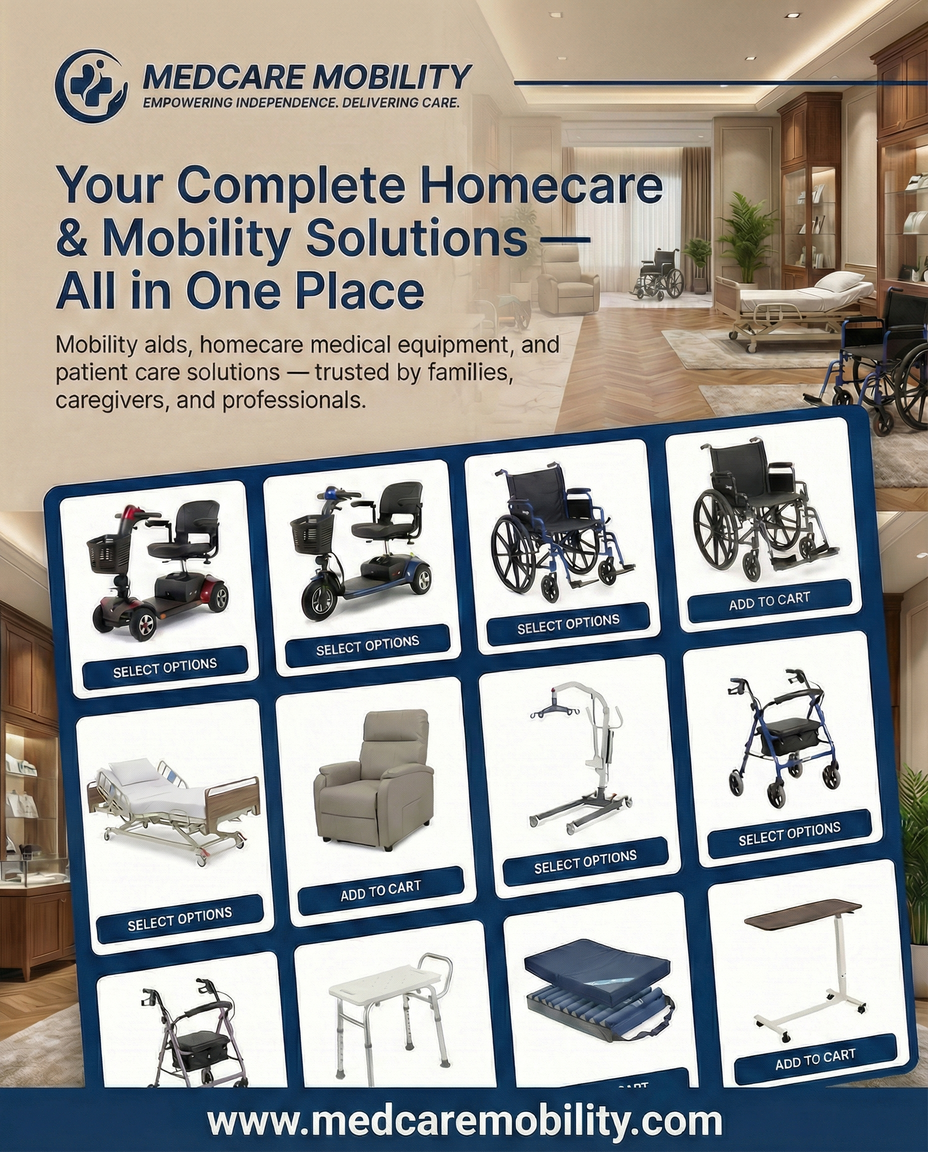
Medicare Part B covers medically necessary walkers, wheelchairs and scooters as durable medical equipment, generally at 20% coinsurance after the deductible. Power wheelchairs and scooters require a face-to-face exam and a written prescription. Medicare pays only for equipment from enrolled suppliers, which can be found in its supplier directory. For canes, walkers, wheelchairs and other home equipment, suppliers such as MedCare Mobility offer options, and HNC’s assistive technology guide explains state programs that lend or help pay for devices.
Where can family caregivers get help?
- Eldercare Locator: Call 1-800-677-1116 or visit eldercare.acl.gov to reach local Area Agencies on Aging for meals, transportation, respite and in-home help.
- National Family Caregiver Support Program: This federally funded program offers information, help accessing services, counseling, support groups, caregiver training and respite through state and local agencies.
- Support groups: The American Stroke Association’s Support Group Finder and Life After Stroke pages connect survivors and families with peers.
- Medicare questions: Your State Health Insurance Assistance Program (SHIP) offers free one-on-one Medicare counseling, including help comparing plans during open enrollment, which runs through Dec. 7.
Key Takeaways
- Nearly 1 in 4 U.S. strokes happens to someone who has had a stroke before.
- Call 911 at the first sign of stroke; the CDC’s B.E. F.A.S.T. check can help spot one.
- A new trial found a systolic target below 120 cut major cardiovascular events by about 21% in survivors, with more kidney events.
- Medicare covers inpatient rehab, outpatient therapy with no yearly cap, home health and medically necessary mobility equipment.
- The Eldercare Locator (1-800-677-1116) and SHIP counselors offer free help for families.
Frequently Asked Questions
How soon should someone call 911 for stroke symptoms?
Right away. The CDC says to call 911 at any sudden stroke sign and to note when symptoms began, because the treatments that work best are available only when a stroke is diagnosed within 3 hours of the first symptoms.
Does Medicare cover stroke rehabilitation?
Yes. Part A covers medically necessary inpatient rehab, and Part B covers outpatient physical, occupational and speech therapy, generally at 20% coinsurance after the deductible.
What blood pressure should stroke survivors aim for?
It depends on the person. A new trial found benefits from a systolic target below 120 mm Hg, but researchers said lower targets need medical supervision. Ask your doctor about your target.
Where can caregivers find local help?
Call the Eldercare Locator at 1-800-677-1116 to reach local agencies that offer respite, meals, transportation and caregiver support programs.
Sources: CDC stroke facts; CDC stroke signs and symptoms; CDC stroke prevention; American Heart Association news release (Nov. 7, 2026); FDA news release (Nov. 9, 2026); Medicare.gov coverage pages for inpatient rehabilitation, physical therapy, home health and wheelchairs and scooters; Administration for Community Living; Eldercare Locator.
Photo: U.S. Navy hospital corpsmen help a patient during a physical therapy session at Majuro Hospital in the Marshall Islands. U.S. Navy photo by Petty Officer 2nd Class Celia Martin, public domain, via Wikimedia Commons.