
As the summer of 2025 heats up, a growing national conversation is emerging around the importance of summer activities for seniors, with experts, families, and senior care professionals emphasizing the need for better access to mobility, independence, and community engagement among America’s aging population.
A recent report by the National Institute on Aging highlights that staying physically active and socially connected plays a critical role in reducing depression, improving cognition, and lowering the risk of chronic illness in older adults. And while summer offers ideal weather for movement and connection, it’s not always accessible to those struggling with physical limitations.
“Mobility is not just a matter of health, it’s a matter of dignity and inclusion,” says Dr. Jennifer Sallis, Director of Aging Research at the National Institute on Aging. “Every older adult deserves the opportunity to live, move, and connect without fear or restriction.”
Across the country, cities are adapting with more accessible parks, shaded walking trails, and senior-inclusive community programming. But perhaps the biggest shift is coming from technology and innovation in mobility aids—a space that’s no longer about bulky wheelchairs, but rather about freedom, style, and independence.
A Surge in Demand for Senior Mobility Solutions
Mobility support tools have taken a massive leap forward, allowing elderly individuals to experience summer like never before. From exploring boardwalks to attending concerts in the park, more seniors are actively seeking solutions that allow them to participate in seasonal life with ease and confidence.
For many, the turning point is discovering modern devices like the 4 wheel portable electric scooter or a lightweight rollator walker, both of which have revolutionized what daily movement and outdoor comfort look like.
These devices are not just functional; they’re designed for lifestyle. Foldable, airline-approved, and tailored for varied terrains, today’s mobility aids are helping transform the lives of seniors who once felt confined indoors.
The Shift Toward Outdoor Activities for Elderly Adults
This season, more emphasis is being placed on outdoor activities for elderly individuals—from accessible nature trails to community gardens and beach boardwalks. Healthcare professionals continue to stress how outdoor exposure improves mood, boosts Vitamin D levels, and encourages meaningful social interaction.
Senior centers across the U.S. have also begun developing seasonal activity guides designed around safe, low-impact recreation. These guides often include:
- Morning walking clubs
- Accessible yoga and movement classes
- Art-in-the-park sessions
- Outdoor live music
- Garden tours and nature walks
Yet these programs are only as effective as the tools seniors have to get there.
How to Keep Seniors Active Without Compromise
A large part of the national push focuses on how to keep seniors active without risking injury or exhaustion. The answer lies in accessibility: ensuring that the right equipment and environment work hand-in-hand.
Today, seniors and caregivers alike are encouraged to incorporate flexible, travel-friendly options like a mobility scooter for adults that can support daily errands, travel, and social participation.
Top gerontologists recommend:
- Planning outings during morning or evening hours to avoid peak heat
- Staying hydrated and packing light comfort items
- Using mobility aids that offer both comfort and performance on uneven ground
- Choosing destinations with accessible bathrooms, seating, and shaded areas
A resourceful guide by the CDC on physical activity for older adults further reinforces the long-term benefits of gentle, consistent movement in delaying aging-related decline.
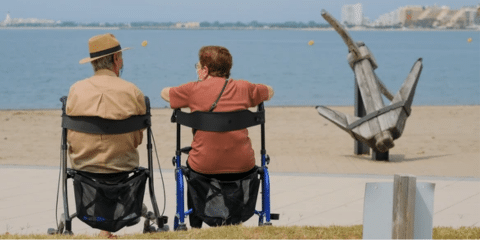
Senior Travel Tips for a Season of Unforgettable Experiences
It’s not just about staying active locally—senior travel tips have become one of the most searched topics this season, and for good reason. Seniors are increasingly hitting the road with families, visiting grandchildren, and booking cruises and nature tours.
Travel experts recommend choosing lightweight, foldable scooters and rollators that can be easily packed or gate-checked. Those struggling with long walking distances can benefit from equipment like an all terrain walker for trails, or a compact scooter for museums and airports.
From carry-on bags with built-in seats to hydration kits and mobile assist tools, the senior travel market is booming with products that empower rather than limit.
Final Thoughts: The Season of Senior Strength
This summer is shaping up to be more than just a return to outdoor living; it’s a reawakening for seniors across the country. With smart planning, supportive tools, and the right mindset, elderly adults are discovering that age isn’t a barrier—it’s just another season to celebrate.
Whether it’s a family BBQ, an evening stroll along the water, or a new travel destination, one thing is clear: the conversation around aging is changing—and it’s moving forward.
Sources:
For more coverage on elder care, home medical advancements, and aging with dignity, consider subscribing to our newsletter